
Nutrition & Metabolic Health: What This Guide Is For
Nutrition is often where Desis living in the US feel the most confused — torn between cultural foods, extreme diets, and conflicting advice. Metabolic health isn’t built through restriction; it’s built through consistency and context.
On this page you’ll learn:
✔ Why extremes fail for long-term metabolic health
✔ How to think about Indian food through a metabolic lens
✔ What changes actually moved the needle for me
✔ How to eat in a way that supports energy, sleep, and recovery
This is not a diet plan — it’s a way to build a sustainable relationship with food that works in real life.
👉 If you’re new, start with the Start Here page to understand how nutrition fits into the full system:
➡️ https://metabolicdesi.com/start-here/
How to Eat for Metabolic Health as an Indian Living in the US (Without Extremes)
“I Eat Home-Cooked Food… So Why Am I Still Gaining Weight?”
If you’re an Indian living in the US, this thought probably feels familiar.
You eat at home most days.
You avoid junk food (mostly).
You might even be vegetarian.
And yet—your weight creeps up, your cholesterol or A1C starts trending the wrong way, and your energy isn’t what it used to be.
The issue usually isn’t Indian food.
It’s how Indian diets collide with the US lifestyle.
This article breaks down how to eat for metabolic health as a Desi in the US—without cutting out foods you love or chasing extremes.
Why Nutrition Needs a Different Lens for Desis
South Asians tend to:
- Develop insulin resistance earlier
- Store fat viscerally (around the waist)
- Lose muscle more easily with age
Now layer on:
- Long work hours
- Sedentary days
- Stressful schedules
- Easy access to processed foods
The same meals that worked earlier in life—or back in India—often stop working.
Nutrition isn’t about restriction.
It’s about alignment.
The Biggest Nutrition Mistakes Desis Make in the US
1. Treating “Vegetarian” as Automatically Healthy
Vegetarian diets can be excellent—but many Desi versions are:
- Carb-heavy
- Protein-light
- Low in fiber variety
Rice, roti, potatoes, and lentils dominate, while protein is often an afterthought.
Why this matters:
Low protein → muscle loss → worse insulin sensitivity → easier fat gain.
2. Underestimating Portion Size
Portion sizes in the US are quietly larger:
- Bigger plates
- More oil
- Frequent snacking
- Eating while distracted
Nothing feels excessive, but calories add up quickly.
This isn’t about eating less.
It’s about eating with intention.
3. Chasing Diet Fads
Many Desis fall into cycles of:
- “Carbs are bad”
- “Fats are bad”
- Keto → low-fat → intermittent fasting → repeat
The problem isn’t experimentation.
It’s staying in extremes too long.
What works is moderation customized to lifestyle.
What Actually Works: A Practical Nutrition Framework
1. Protein Is the Foundation (Especially for Vegetarians)
Protein is non-negotiable for metabolic health.
As a guideline (not a rule):
- Aim for 20–30g protein per meal
- Prioritize protein earlier in the day
Vegetarian-friendly options:
- Greek yogurt
- Paneer (moderation)
- Tofu / tempeh
- Eggs
- Lentils + legumes (adequate portions)
- Protein powders if needed
Protein supports:
- Muscle retention
- Blood sugar stability
- Satiety
2. Build Meals in This Order
Instead of eliminating foods, reorder them:
- Vegetables / fiber
- Protein
- Carbohydrates (rice, roti, fruit)
This simple sequencing:
- Blunts blood sugar spikes
- Improves digestion
- Reduces overeating
No calorie counting required.
3. Carbs Aren’t the Enemy — Context Is
Rice, roti, and fruit are not inherently bad.
What matters:
- Portion size
- Timing
- Pairing with protein and fiber
Carbs work best:
- After movement
- Earlier in the day
- Around strength training
They work worst:
- Late at night
- Combined with low protein
- During prolonged sedentary periods
4. Ultra-Processed Foods Quietly Break Metabolism
This is where many diets fail.
Ultra-processed foods:
- Disrupt hunger signals
- Worsen insulin resistance
- Increase inflammation
- Encourage overeating
You don’t need perfection.
But reducing processed food frequency has outsized benefits.
Moving toward whole foods is often the single biggest nutrition upgrade.
Why Measurement Matters (Without Obsession)
One of the most overlooked aspects of nutrition is feedback.
What you feel matters—but so does what you measure.
Helpful markers:
- Weight trends (not daily numbers)
- Waist circumference
- Lab values (cholesterol, A1C)
- Body composition (when available)
Measurement helps you:
- See what’s working
- Stop guessing
- Avoid unnecessary extremes
There is no “generic best diet.”
There is only what works for you.
How Nutrition, Sleep, and Recovery Are Connected
Poor sleep:
- Increases hunger
- Worsens insulin resistance
- Reduces protein utilization
Overtraining without recovery:
- Raises stress hormones
- Increases cravings
- Slows progress
Nutrition does not work in isolation.
If sleep and recovery are broken, even “perfect” diets struggle.
A Simple Starting Checklist
If you want a realistic starting point, focus on these:
- Include protein at every meal
- Reduce ultra-processed foods
- Eat vegetables first
- Strength train 2–3x per week
- Maintain consistent meal timing
- Track trends, not perfection
These changes compound.
Final Thought
Metabolic health isn’t built through restriction.
It’s built through consistency, recovery, and awareness.
When nutrition aligns with your biology and your real life, progress becomes sustainable.
That’s the goal.
Start Here
If you haven’t already, begin with:
👉 Why Desis Struggle With Metabolic Health in the US (And What to Do About It)
Related Articles
-
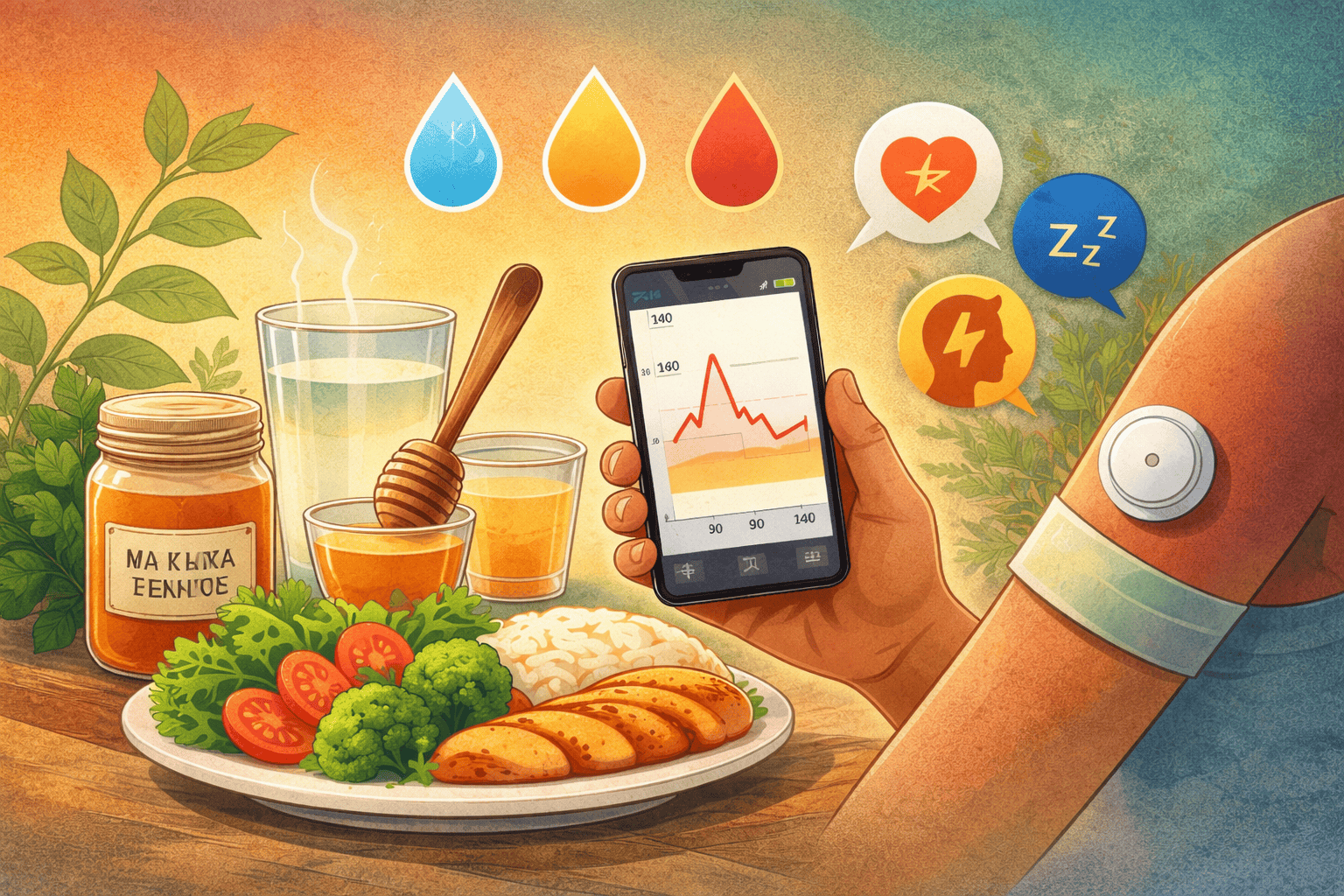
A longevity‑first, practical approach to glucose control For a long time, glucose wasn’t something I worried about. My fasting glucose…
-
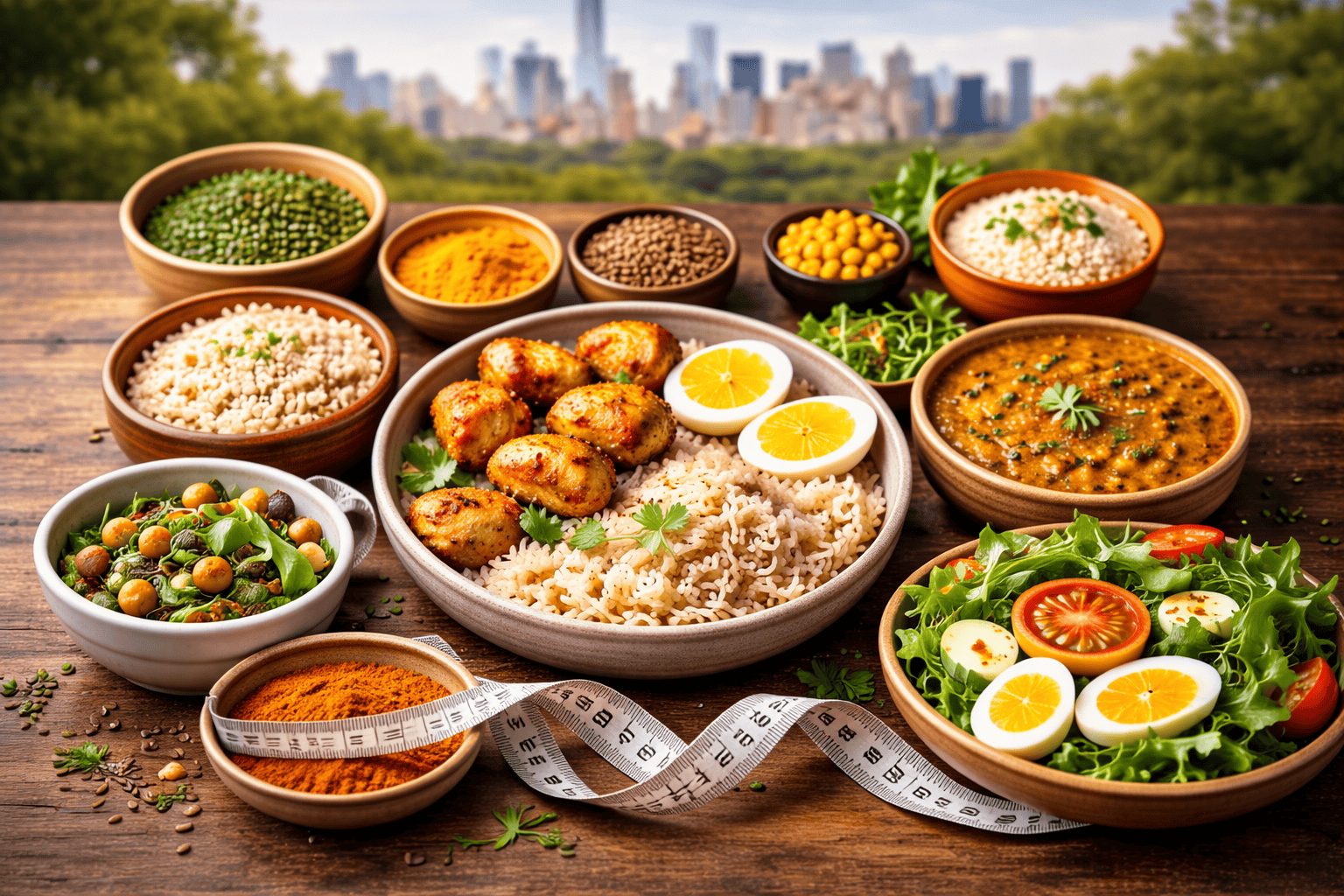
Nutrition & Metabolic Health: What This Guide Is For Nutrition is often where Desis living in the US feel the…
-

“I Eat Vegetarian and Home-Cooked… So Why Are My Labs Getting Worse?” If you’re an Indian living in the US,…

One Comment